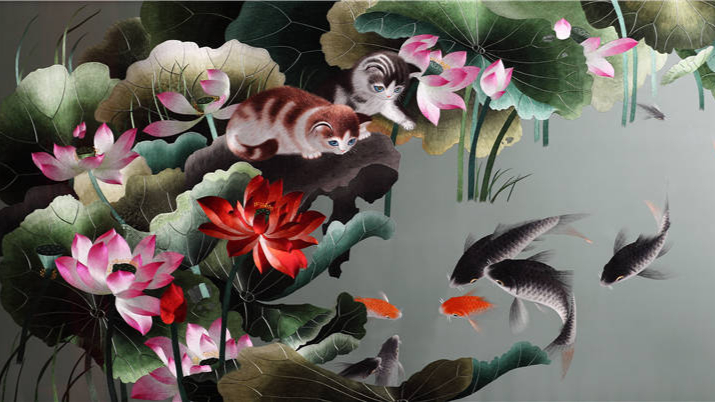
Shu Embroidery
Introduction
Shu embroidery, also known as Chuan embroidery, is one of the most renowned embroidery styles in China, alongside Su, Xiang, and Yue embroidery. Originating from the western regions of China's Sichuan province, Shu embroidery has a history dating back over a millennium. It is celebrated for its smooth, bright, and neat characteristics, which are heavily influenced by the geographical environment, local customs, and cultural nuances of the Sichuan region. Shu embroidery is not just a form of artistic expression; it also plays a crucial role in cultural representation, embodying themes such as flowers, leaves, animals, landscapes, and human figures. These designs are intricately crafted using specific techniques and materials, reflecting the practical uses and aesthetic values embedded within the art form.
History
Shu embroidery's historical roots can be traced back to as early as the Han Dynasty (206BC-220), where it was already a well-known craft. The government in that era even established official offices to oversee and manage the flourishing embroidery industry in the Sichuan area. The Five Dynasties and Ten Kingdoms periods (907-960) witnessed a significant boost in Shu embroidery production due to a peaceful society and a growing demand for embroidered goods. It reached its zenith during the Song Dynasty (960-1279), ranking first in both quality and output. By the mid-Qing Dynasty (1644-1911), the Shu embroidery industry had become firmly established, paving the way for further expansion and innovation in the craft. Following the founding of the People's Republic of China, dedicated factories were set up to preserve and advance Shu embroidery, leading to the development of new techniques and a broader range of artistic expressions. This historical evolution of Shu embroidery highlights a rich tapestry of cultural and artistic significance that continues to be cherished and practiced in modern times.
Techniques
Shu embroidery is renowned for its intricate craftsmanship, which involves a combination of fine arts, aesthetics, and practical applications. The embroidery process encompasses a wide range of techniques that reflect the diversity and richness of this art form. The craft of Shu embroidery is characterized by its smoothness, brightness, and neatness, achieved through meticulous attention to detail and skillful execution.
Stitching Methods
Shu embroidery incorporates a variety of stitching methods to create its distinctive designs. There are 122 weaving approaches categorized into 12 distinct groups, each contributing to the unique qualities of the final product. The stitching techniques are carefully selected based on the desired outcome, whether it be the intricate depiction of floral patterns, the lifelike representation of animals, or the harmonious blending of colors in landscape scenes. These methods require precision and expertise, ensuring that every piece of Shu embroidery is a testament to the artisan's skill and creativity.
Materials Used
The materials used in Shu embroidery play a critical role in achieving the craft's signature appearance. Primarily, pure silk threads are employed for their luminous quality and durability. These threads are carefully selected and dyed in a wide array of colors to allow for detailed and vibrant designs. In addition to silk, Shu embroidery may also incorporate other materials such as satin and nylon, which provide varying textures and finishes to the artwork. The choice of materials is influenced by the intended use of the embroidered piece, whether it be for decorative purposes or practical applications, such as in garments, pillowcases, or screen covers.
Cultural Significance
Shu embroidery holds immense cultural significance as a representation of Sichuan's artistic heritage. It not only reflects the region's aesthetic values and traditional motifs but also serves as a medium for cultural expression and storytelling. The themes depicted in Shu embroidery often draw inspiration from nature, capturing the beauty and diversity of flowers, leaves, animals, and landscapes. These designs are imbued with symbolic meanings, conveying cultural beliefs and narratives passed down through generations. Moreover, Shu embroidery is an integral part of Sichuan's cultural identity, playing a role in traditional festivals and ceremonies. As a national intangible cultural heritage, Shu embroidery is a living testament to the region's rich history and artistic achievements. It continues to inspire and connect people, fostering a sense of pride and appreciation for the cultural legacy it represents.
Preservation and Promotion
Preserving and promoting Shu embroidery is essential for safeguarding its cultural heritage and ensuring its continuity for future generations. In Chengdu, a hub of intangible cultural heritage, numerous initiatives have been implemented to support the craft. Local governments, cultural organizations, and artisans have joined forces to create platforms for education, collaboration, and exhibition. Teaching bases have been established in universities and communities, offering training programs that impart traditional skills to young people. These initiatives aim to cultivate a new generation of artisans who can carry forward the legacy of Shu embroidery.
Additionally, exhibitions and cultural festivals provide opportunities to showcase the beauty and intricacy of Shu embroidery to a global audience. By embracing modern technologies and digital platforms, Shu embroidery is presented in innovative ways, reaching wider audiences and fostering appreciation for this treasured art form. The ongoing efforts to preserve and promote Shu embroidery are a testament to the resilience and enduring significance of this cultural heritage, ensuring its vibrant future in the cultural landscape of China and beyond.








